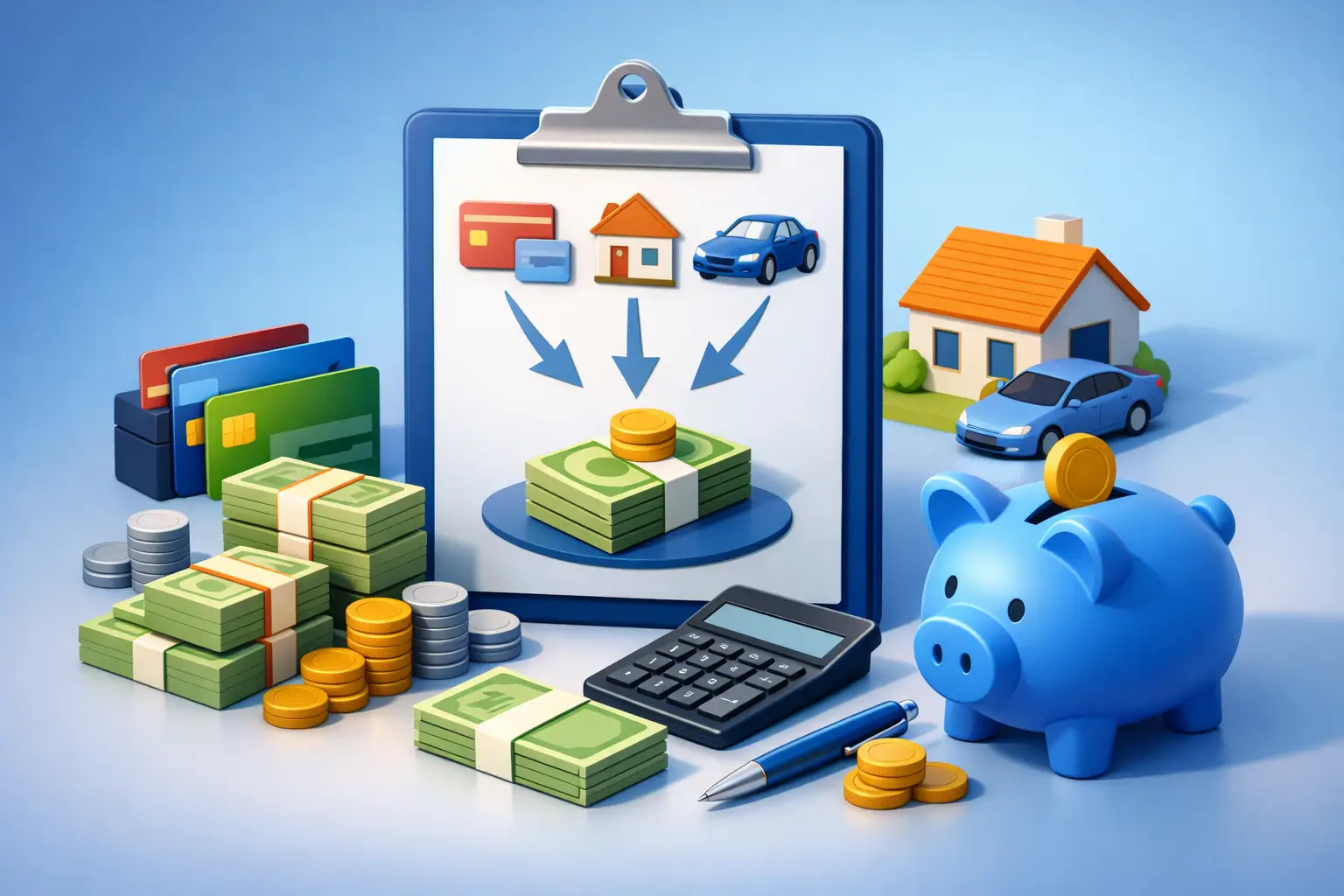
Multiple payment due dates can turn an otherwise manageable budget into a monthly scramble. If credit cards, personal loans, or other unsecured balances are pulling your attention in different directions, a debt consolidation loan may offer a simpler path: one new loan used to pay off qualifying existing debts, leaving you with one payment and one repayment schedule.
That simplicity can be valuable. But consolidation is not automatically savings, and it does not erase what you owe. The right option depends on your rates, repayment timeline, income, credit profile, and ability to avoid building new balances after the old ones are paid off.
What a Debt Consolidation Loan Actually Does
A debt consolidation loan combines eligible debts into one new financing arrangement. The new lender may send funds directly to creditors, or you may receive funds and be responsible for paying the balances yourself. Either way, the goal is to replace several payments with one.
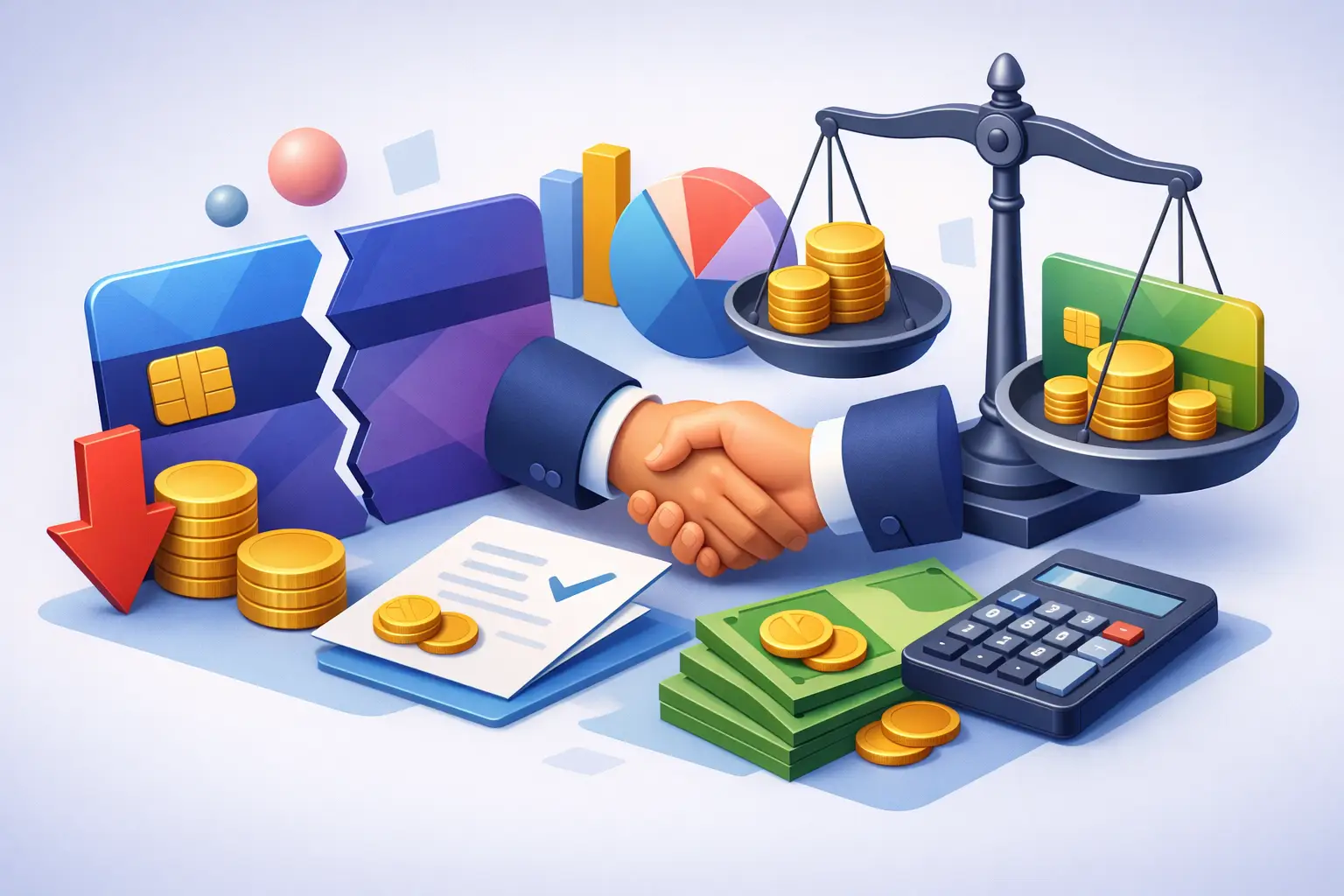
For example, someone carrying balances on three credit cards may be paying different interest rates and facing different due dates. A consolidation loan could replace those balances with a fixed-rate installment loan. Instead of revolving balances that can linger for years when only minimum payments are made, the loan has a defined payoff period.
A lower monthly payment can be helpful, but look closely at why it is lower. Extending repayment from three years to five years may reduce the payment while increasing the total interest paid. A lower rate and a reasonable term are generally more meaningful than a payment that only looks easier in the short term.
Debt consolidation financing is different from tax relief or tax resolution. A loan can be used for certain types of consumer debt depending on lender guidelines, but IRS or state tax debt often calls for a separate conversation with a qualified tax professional about payment plans, settlements, or penalty relief.
When Consolidation May Be Worth Considering
Consolidation can make sense when the numbers improve and the new payment fits your real budget. It is often considered by people with high-interest credit card debt, predictable income, and a clear plan to stop relying on cards for routine expenses.
A stronger candidate may have several balances with variable rates, a good record of making payments, and enough creditworthiness to qualify for terms better than the debts being replaced. Homeowners with available equity may also compare home-equity financing with unsecured personal loan options. Home equity can sometimes offer a lower rate, but it puts your home at risk if you cannot keep up with payments. That trade-off deserves careful consideration.
Consolidation may be less helpful if your financial hardship is ongoing. If monthly income does not cover housing, food, transportation, insurance, and debt payments, adding a new loan may not solve the underlying problem. Likewise, if you are likely to charge up paid-off cards again, you could end up with both the new loan and new card balances.
Compare More Than the Interest Rate
The advertised rate is only one part of an offer. Lenders determine final rates, amounts, terms, and approval based on their own underwriting standards. Your credit history, debt-to-income ratio, income, requested amount, and other factors can all affect what is available.
Before accepting an offer, compare the annual percentage rate, monthly payment, repayment term, origination fees, prepayment rules, and total amount you would repay. Ask whether the rate is fixed or variable. A fixed rate provides more payment predictability. A variable rate may begin lower but can change over time.
Also verify which debts can be paid off. Not every lender accepts every type of balance, and some loans have restrictions on how proceeds may be used. If a lender pays creditors directly, confirm the timing and keep making required payments until each old account shows a zero balance. A delayed payoff should not result in a missed payment.
A Simple Way to Evaluate the Math
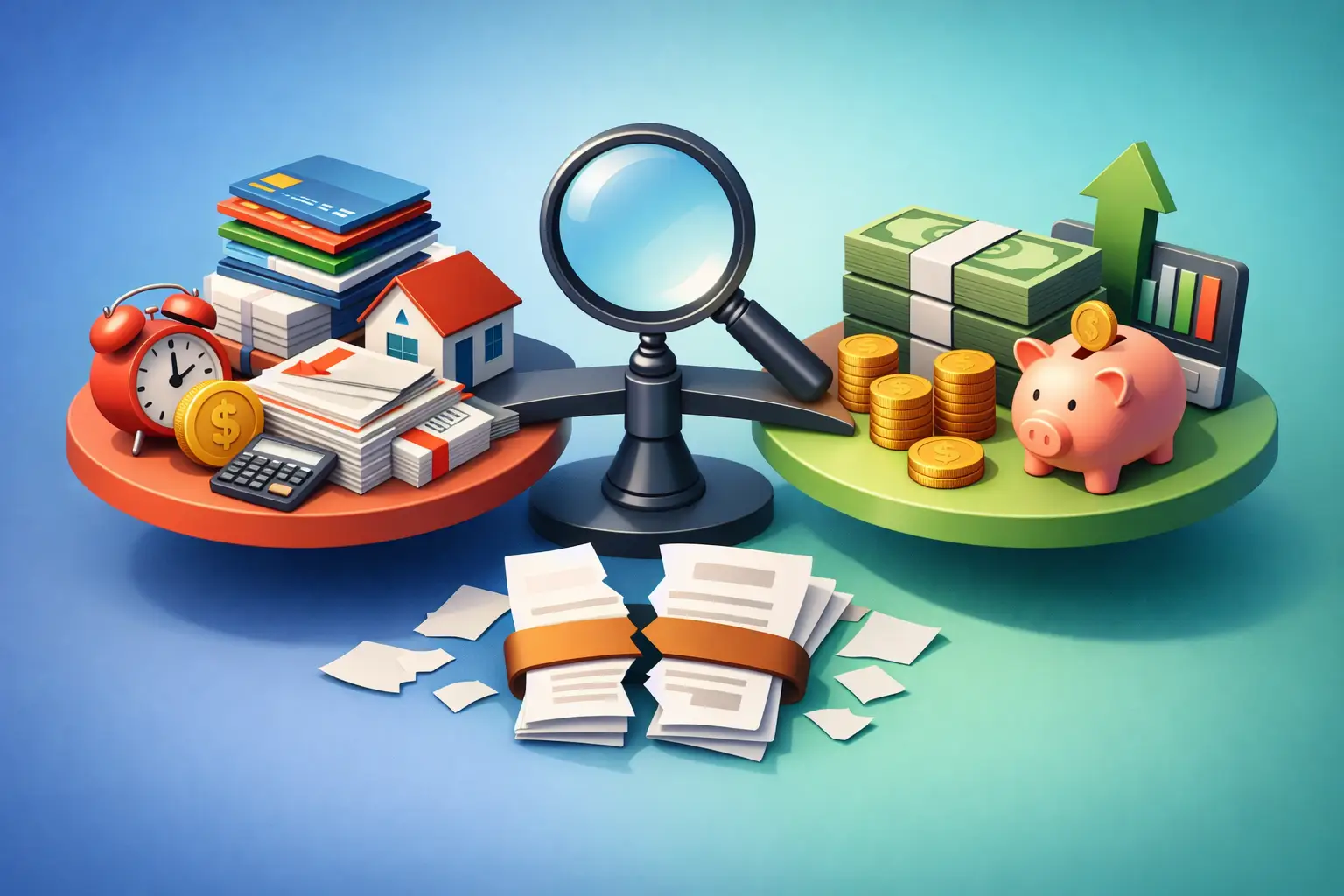
Start by listing each current debt: balance, interest rate, minimum payment, and estimated payoff date if you keep paying what you pay now. Then place the proposed consolidation loan beside that list.
The new loan deserves a closer look if it lowers the cost of borrowing without stretching repayment too far, produces a payment you can consistently afford, and gives you a realistic payoff date. It may still be worth considering if the total cost is similar but the structure helps you manage payments reliably. For some households, fewer due dates and a fixed end date are meaningful benefits.
Be cautious if the payment is lower solely because the term is much longer, if fees consume a large part of the loan proceeds, or if the offer requires collateral you are not comfortable pledging. No lender or matching service can guarantee approval or a specific rate before the full application and underwriting process.
How Matching Can Help You Compare Options
Contacting several providers on your own can be time-consuming and may lead to repeated follow-up from companies that are not a fit. A matching service can collect high-level information about your situation and route a qualified request to participating providers whose guidelines may align with it.
Debt Relief Alliance is not a lender, bank, mortgage broker, or tax practitioner. Its role is to connect consumers with participating third-party professionals and lenders, not to make lending decisions. Participating partners may compensate the platform when a request fits their guidelines.
The matching process is designed to give you more control at the start. You can review potential options before deciding whether to move forward. Checking for a match should not require an initial hard credit inquiry, though a lender may request your consent to a hard inquiry later if you choose to apply. Read each provider's disclosures so you understand what information is being reviewed and when.
Nothing moves forward without your say. You are free to compare, decline, or choose another path.
Questions to Ask Before You Agree
A useful conversation with a lender should be specific. Ask what the monthly payment will be, whether that payment can change, how long repayment will take, and the total dollars you will repay. Ask about fees, late-payment consequences, and whether paying the loan off early carries a penalty.
If you are considering a home-equity product for balance consolidation, ask how the lien affects your home and whether the payment could change. If you are considering an unsecured loan, ask whether the quoted rate is conditional and what could change after a full application.
It is also smart to create a plan for the accounts being paid off. Some people keep older cards open to protect the age of their credit history, while others prefer to close accounts that make overspending too easy. The better choice depends on your spending habits and overall credit situation. At a minimum, remove paid-off cards from automatic purchases and set a realistic spending limit before the new loan begins.
A Better Next Step Starts With Clarity
A debt consolidation loan can create breathing room when it replaces expensive, scattered debt with terms you understand and can afford. It should make your financial life more manageable, not merely move the pressure to a different due date. Take time to compare the full cost, ask direct questions, and choose only the option that supports the budget you can sustain month after month.