A missed payment can turn one credit card balance into a monthly pileup fast. Debt consolidation loans for bad credit may offer a way to replace several qualifying debts with one new payment, but they are not automatically the lowest-cost or safest answer. The right choice depends on your income, current balances, credit profile, and the actual terms a lender offers.
The goal is not simply to make a payment look smaller. It is to create a repayment plan you can realistically finish without adding new debt along the way.
What a debt consolidation loan does
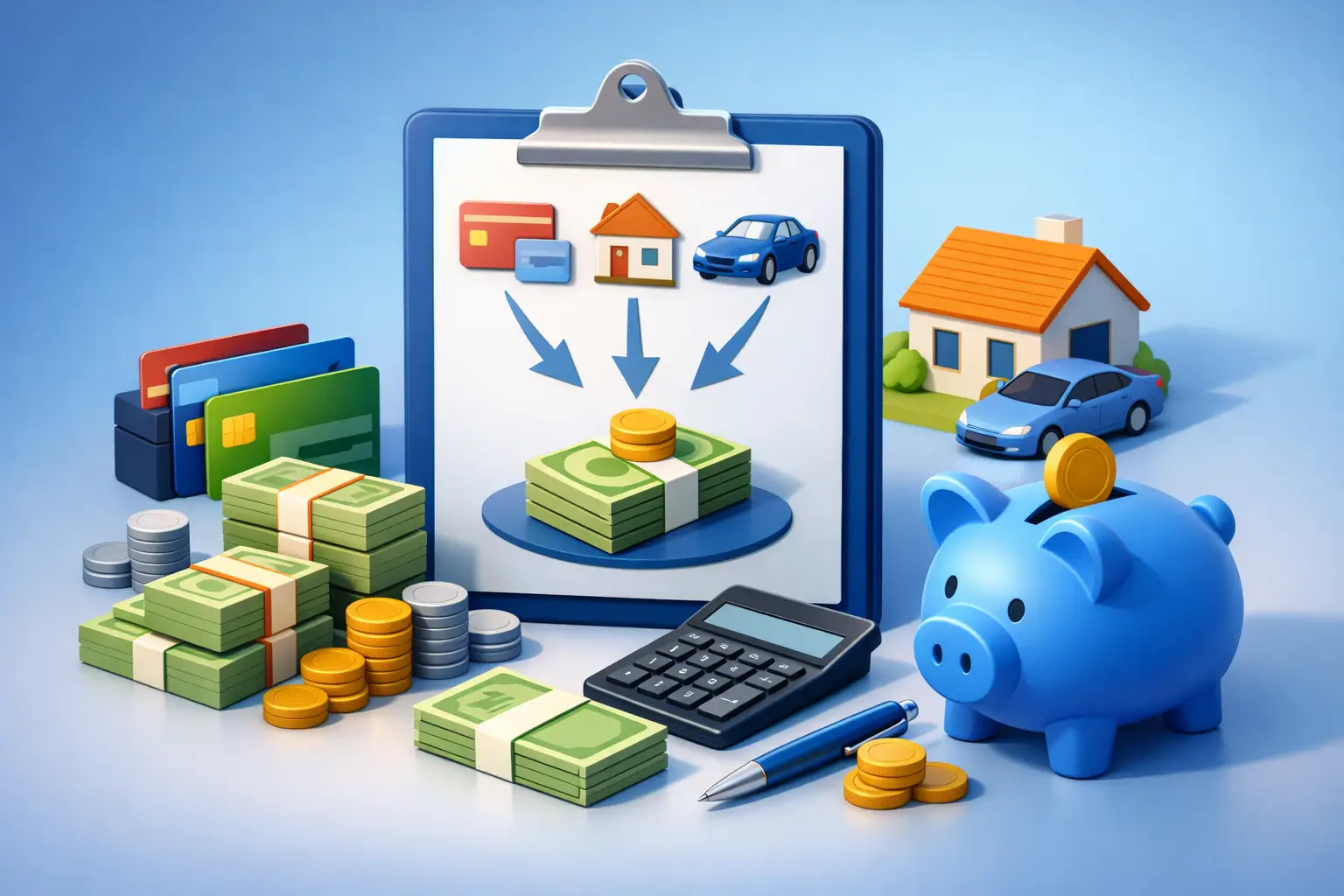
A debt consolidation loan is a new loan used to pay off multiple existing balances, often including credit cards, personal loans, and certain medical bills. Instead of managing several due dates and interest rates, you make one payment to the new lender.
For borrowers with strong credit, consolidation may mean access to lower rates. With bad credit, the benefit can be different: a fixed payment, a clear payoff date, and fewer opportunities to miss a due date. Those benefits can still matter, even if the rate is not dramatically lower than every balance you already have.
Approval is never guaranteed. Lenders typically review more than a credit score. They may consider your income, employment, debt-to-income ratio, payment history, loan amount, and sometimes collateral. A recent late-payment history can limit choices, but steady income and a manageable requested loan amount may improve your chances.
When debt consolidation loans for bad credit may help
Consolidation can make sense when you have high-interest revolving debt, can qualify for a payment you can afford, and plan to stop charging up the cards you pay off. A fixed-rate installment loan can give you a defined end date, which is harder to see when you only make minimum payments on credit cards.
It may also help when multiple bills are causing missed payments. One due date is easier to organize than five or six. That does not erase the underlying balance, but it can reduce day-to-day pressure and make a budget easier to follow.
The loan needs to improve your full situation, not just this month's cash flow. A longer repayment term can reduce the monthly payment while increasing the total interest paid. If a lender charges an origination fee, that cost also needs to be part of the comparison.
For example, a $10,000 loan with a manageable payment can still be expensive if the term is extended for years at a high annual percentage rate. Look at the total amount you would repay, not only the advertised rate or monthly figure.
Know the trade-offs before applying
Bad-credit borrowers may see higher interest rates, shorter repayment options, or lower loan amounts. Some lenders may require a co-borrower or collateral. A secured option can sometimes improve approval odds, but it adds real risk because the asset securing the loan could be at stake if you cannot repay.
Homeowners may also hear about using home equity for balance consolidation. A home equity loan or HELOC can have different pricing and repayment structures than an unsecured personal loan. However, converting unsecured credit card debt into debt secured by your home is a serious decision. Missing payments could put your home at risk, so this approach deserves careful review of the terms and your long-term budget.
Be cautious of any company that promises approval regardless of your circumstances, guarantees a specific rate before reviewing your information, or asks for large upfront fees to arrange a loan. Legitimate lenders disclose loan costs, repayment terms, and required payments before you sign.
Compare the offer, not the headline
A lender's advertised rate may not be the rate you receive. Your approved terms are what matter. Before accepting a consolidation loan, compare the annual percentage rate, monthly payment, repayment term, total repayment amount, and all applicable fees.
Also ask whether the lender pays creditors directly or deposits funds into your account. Direct payoff can help ensure balances are handled as intended. If funds come to you, have a clear plan to pay creditors promptly and verify that each account is actually paid off.
Watch for prepayment penalties, although many personal loans do not charge them. The ability to make extra payments without a fee can help you reduce interest and finish sooner if your finances improve.
A lower payment is useful only if it fits your plan. If it comes from stretching repayment over a much longer period, consider whether you are comfortable with the added interest and the time you will remain in debt.
Check your options without unnecessary pressure
Applying with several lenders one by one can be time-consuming, and formal applications may involve hard credit inquiries. A hard inquiry can affect your credit score temporarily. Some lenders or matching services let you review potential options through a soft credit check or a preliminary review first, though the process varies by provider.
Debt Relief Alliance is not a lender or bank. Its role is to help consumers submit a request and, when available, connect them with participating providers whose guidelines may fit the request. Checking for a potential match does not mean you are approved, and nothing moves forward without your review and consent. Final rates, loan terms, underwriting decisions, and any hard credit inquiry are determined by the lender.
Before sharing information, understand who may contact you and why. A credible matching process should explain that participating partners may reach out about relevant options, while leaving you in control of whether to continue.
Prepare before you request a loan
A little preparation can make it easier to compare offers accurately. Gather your current balances, minimum payments, interest rates, and account due dates. Then determine how much you need to borrow and what monthly payment your budget can support after rent or mortgage, utilities, food, transportation, insurance, and other essentials.
Lenders may ask for documentation such as:
- Government-issued identification
- Proof of income, such as pay stubs or tax documents
- Bank statements
- Details about outstanding debts and monthly obligations
Be honest about your financial picture. Requesting more than you need can make repayment harder, while requesting too little may leave you with balances that still carry high rates.
Alternatives worth considering
A consolidation loan is one tool, not a requirement. If your credit profile does not produce a workable offer, consider whether a nonprofit credit counseling agency could help you build a debt management plan. These plans may combine qualifying unsecured debts into one payment, although accounts may be closed and creditors must agree to participate.
A balance transfer card can be useful for some borrowers, but approval and promotional rates often depend on creditworthiness. It is usually not a practical fix if the balance cannot be repaid before a promotional period ends.
If the debt includes taxes owed to the IRS or a state tax agency, treat that separately from ordinary credit card consolidation. Tax resolution options, such as installment agreements or penalty relief, involve different rules and may require help from a qualified tax professional. Do not assume a consumer loan resolves a tax issue in the most cost-effective way.
If your income cannot cover essential expenses and minimum debt payments, borrowing more may delay a larger problem rather than solve it. A detailed budget review or professional guidance may be more useful than accepting a loan with unaffordable terms.
Make the decision on your terms
The best consolidation offer is not necessarily the first one, the fastest one, or the one with the smallest payment. It is the one whose cost, repayment schedule, and risks fit your financial reality. Read every disclosure, ask questions about fees and payoff procedures, and take time to compare before signing.
Getting a clear view of your options is a productive first step. A loan should give you more control over repayment, not replace one stressful payment problem with another.